The Cost of Creating Impact
There is no doubt that 3rd party certification programs were devised with the best of intentions. Since the late 1980’s/early 1990’s several fair trade, fair labor, organic, and ethical business certification and labeling organizations have been leading the charge in educating consumers on ethical business standards, while trying to serve as “watchdog” organizations calling out companies and factories who are using sub-par to inhumane labor practices.
The crafts and natural cosmetics industries are both growing sectors, each contributing $30 billion in trade, and social enterprises in Africa are at the forefront of these sectors. As the pioneers of ‘ethical business’, the craft and natural cosmetics sectors have been putting these standards into action long before there was even a name for it. With the increasing importance of transparency and because they’re closest to the start of the value chain – these social enterprises feel more and more pressure to align with and comply with these global standards, to get the label or seal for customers and consumers alike.
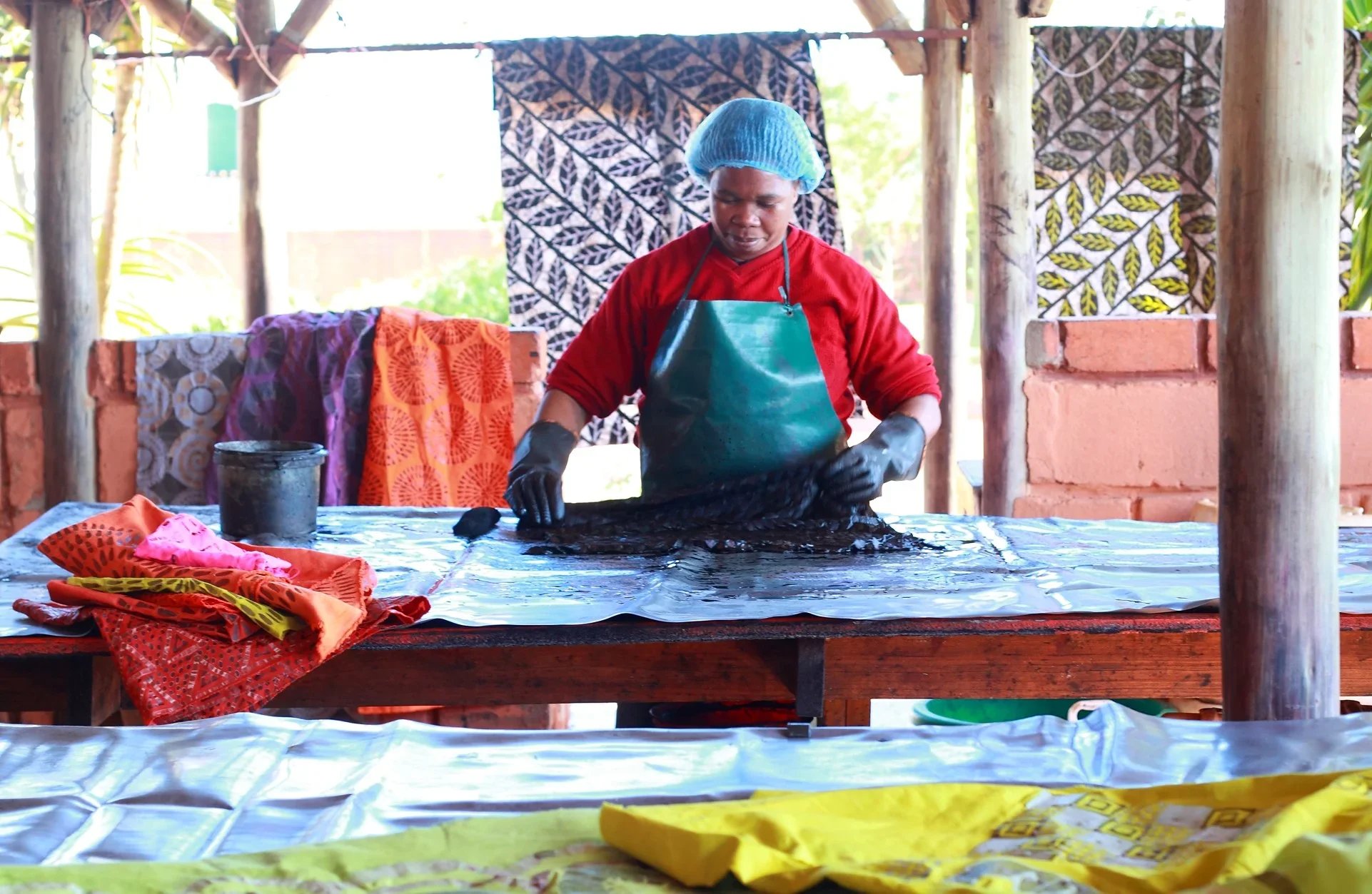
While some of these standards have some flexibility, for the most part they are often designed without understanding the complexities social enterprises may face when working towards compliance. There is often a need for substantial human and financial resources to ensure that the standards are implemented effectively – which is taxing on these businesses which already operate on narrow margins due to the social impact they are already creating with their employees and communities. Additionally, there is often an assumption that without these standards, these social enterprises may be exploiting and/or taking advantage of workers – when in reality, it’s not so black and white.
This is not to say there is not value in third party certifications and standards. Being able to demonstrate the impact which each social enterprise creates not only builds the credibility of these businesses but also gives them a tool to communicate exactly what they are doing (in the form of a globally recognized seal). But what becomes burdensome is the substantial investment of both time and money that social enterprises must invest to reach these standards – in addition to the need to fit into a ‘one size fits all’ approach by not taking into context the different models of craft and natural cosmetics businesses.
Often, this pressure to comply comes from large retailers at the end of the value chain who want to demonstrate compliance with ethical standards consumers are asking for. In the era of asking ‘who made your clothes’ these retailers know that consumers want to know more about where their products are coming from – and these 3rd party assessments provide a global standard for this. But who is ultimately responsible for the cost?
Many of the social enterprises are already complying with most requirements of these standards but may not have the official seal or label to prove it. They often feel the pressure to bear the cost to acquire seals and labels because they need the business of these large customers – but it is difficult to find the support to help with the additional investment required for them to comply.
Let’s take the living wage for example, which most social enterprises are striving towards paying. Making an assumption that a substantial study, conducted by the social enterprise or other party, has already been conducted to determine what the living wage is within their country, the social enterprise now needs to work on increasing wages in a sustainable way – without putting too much pressure on the cashflow and finances of the business. This is not a process which can happen overnight and there is a delicate dance which needs to occur to increase marketing activities, to increase sales, to bring in more income in order to handle the required increase in wages. One solution would be to increase pricing, but this is a challenge as price increases are always dependent upon what the market is willing to pay and customers are in a position to simply not purchase products if prices become too high. A lot to think about, right?
A more effective and sustainable solution would be to develop standards that allow social enterprises to show the wage growth of their employees and producers vs. reaching an aspirational “living wage” since so many employees working in craft and natural cosmetics would have (or have had) no employment prior to the opportunities the social enterprises are creating.
The cost of creating impact and compliance, more often than not, sits with the social enterprise, regardless of the investment which they need to make in order to comply. But does it have to be this way? How can we work towards sharing the responsibility of impact along the value chain?
Standards and compliance should be a discussion between the buyer and the social enterprise, to understand the investment requirements for reaching compliance and work together to ensure that the strategy to achieve is realistic and manageable by the social enterprise.
Large retailers could provide financial support for the audit, financial support to make facility or process upgrades and make efforts to understand the social enterprises which they work with better. Instead of just stating ‘comply’, get to know the artisan business and the specific context in which they work. Providing additional ‘support’ will share the burden throughout the value chain – but not require substantial increase in pricing.
Standards need to be able to adapt to different business contexts. Across Africa, the Middle East and the world – there are numerous models and organizational structures and the standard should not be a ‘one size fits all’. As previously mentioned - there should be a new understanding of employment looking at increasing wages, comparing what employees made before to their “growth wages” showing upward mobility instead of an arbitrary standard of a “living wage”.
Retailers could also add an “impact fund” component to their pricing adding a $1 give back to social enterprises for products sold or some other creative solution that helps them market their involvement to consumers and gives support back to the organizations. This provides an increase per product for the social enterprise, while being transparent to consumers on where their money is going.
Increase the transparency throughout the value chain – social enterprises at producer level are expected to provide information and documentation on their good business practices; why can’t this happen at the top of the value chain as well? It’s happening more with certifications such as B Corp and WFTO, but could this become the new normal?
Engage more government and non-profit certifiers to get involved in the certification process, perhaps offering subsidies, scholarships or grants to achieve these 3rd party certifications and standards. Let’s think in innovative ways – perhaps certified companies that see a result in sales can sponsor smaller businesses following in the footsteps? Let’s just share the burden rather than having it sit on the back of the companies.
If there is increased demand to see a certificate, a label or a seal to show consumers that products are from ‘ethical business’ then the responsibility should be shared with every player who is involved in bringing that product to market. I’ve said this before and will continue to spread the word - we’re stronger together and working to find a solution which works for everyone is going to be the key to driving impact and encourage more suppliers to get on board with compliance.
First published on staceyedgar.com, September 2019.